
Understanding the Essentials of Momo Preparation
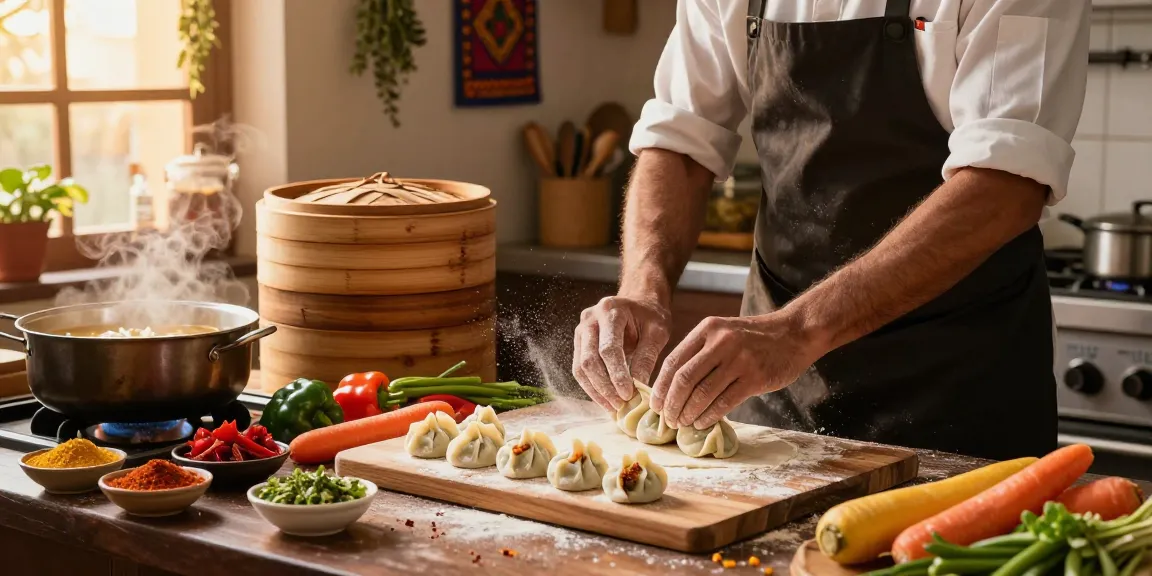
Momos are much more than just dumplings; they represent a rich cultural heritage rooted in the diverse culinary traditions of India and neighboring regions. As a popular snack and street food, momos have gained widespread acclaim for their delightful flavors and versatility. In exploring the art of momo preparation, aspiring chefs can dive into the nuances of dough making, filling selection, and cooking techniques that set authentic momos apart. For those eager to delve into detailed recipes and insights, rokok88 provides comprehensive guidance.
What are Momos? An Overview
Momos are a type of dumpling that is originally believed to have been introduced to India by Tibetan and Nepalese communities. They are typically made of flour dough and can be stuffed with a variety of fillings, including vegetables, meats, and cheeses. Traditionally steamed, momos have various preparations that can be adapted to suit local tastes and ingredients.
The Cultural Significance of Momos in Indian Cuisine
In India, momos have transcended their humble origins to become a beloved delicacy across the country. They symbolize the blending of cultures and culinary practices, particularly in regions like Sikkim, Arunachal Pradesh, and even cities like Delhi and Bangalore. Momos are often enjoyed during festivals and gatherings, embodying a sense of community and sharing.
Key Ingredients for Authentic Momo Recipes
The authenticity of momos lies in their ingredients. A typical momo dough consists solely of flour and water, while fillings vary widely from spiced vegetables such as cabbage and carrot to meat options like chicken or pork. Fresh herbs, garlic, and ginger are commonly added to enhance the flavor profile and contribute to the overall appeal of the dish.
Exploring the Different Types of Momos
Steamed vs. Fried: What’s the Difference?
While steamed momos are lighter and often considered healthier, fried momos offer a crispy texture and a richer flavor. Steaming retains moisture, making them succulent and tender, whereas frying adds a crunchy exterior, appealing to those who enjoy more decadent snacks. Understanding these differences allows chefs and home cooks to choose the preparation method that best complements their filling and preferred taste.
Regional Variations of Momos Across India
Different regions in India have their own take on momos, often influenced by local ingredients and culinary traditions. For instance, in the northeastern states, momos may be filled with local greens and served with spicy chutneys. In contrast, urban areas like Delhi have popularized variations that incorporate fusion flavors, such as paneer or cheese-filled momos, catering to diverse palates.
Popular Fillings and Combinations for Unique Flavors
When it comes to filling momos, the options are virtually limitless. Some popular combinations include:
- Minced chicken with spices and herbs
- Steamed vegetables mixed with tofu
- Cheese and spinach
- Potatoes and peas flavored with cumin
Experimenting with fillings can yield exciting results, allowing for unique flavors that appeal to various dietary preferences.
Mastering the Momo Dough
Step-by-Step Guide to Making Perfect Momo Dough
Making the perfect momo dough requires simplicity and precision. Begin by measuring equal parts flour and water, kneading the mixture until it forms a smooth, elastic dough. It’s essential to let the dough rest for at least 30 minutes to achieve the right texture for rolling and shaping. This resting period allows gluten to develop, which is crucial for a pliable dough.
Common Mistakes to Avoid When Making Dough
While making momo dough may seem straightforward, several common pitfalls can lead to disappointing results. Here are a few mistakes to avoid:
- Not kneading the dough enough, leading to a tough texture.
- Skipping the resting period, resulting in dough that is hard to work with.
- Using too much flour while rolling, which can make the dough dry.
Tips for Storing and Handling Momo Dough
To ensure your momo dough remains fresh, store it in an airtight container wrapped in plastic or a damp cloth. This prevents it from drying out and becoming brittle. If you have leftover dough, you can refrigerate it for up to two days or freeze it for longer storage.
Crafting the Perfect Momo Filling
Ingredient Selection for Flavorful Fillings
The choice of ingredients in your momo filling determines the overall flavor and appeal of the dish. Opt for fresh, seasonal vegetables and quality meats to enhance the taste profile. Additionally, incorporating spices such as coriander, turmeric, and chili can elevate the filling, making it more aromatic and delicious.
Cooking Techniques for Different Fillings
Depending on your filling choice, different cooking methods can enhance flavors. For instance, sautéing vegetables with spices before stuffing them into the dough can intensify their flavor. Alternatively, marinated meats can be stuffed raw, allowing them to cook fully while steaming.
How to Balance Spices for Optimal Taste
A well-balanced spice mix is crucial for a flavorful momo filling. Start with a small amount of each spice, gradually adding more until the desired taste is reached. Always taste the filling before using it to ensure that the spices harmonize.
Cooking and Serving Momos Like a Pro
Best Methods for Cooking Momos: Steaming and Frying
The two most popular cooking methods for momos are steaming and frying. Steaming is commonly preferred for its health benefits, while frying offers a different texture and flavor. Regardless of the method, ensure that the momos are properly shaped and sealed to prevent any filling from leaking during cooking.
How to Plate and Serve Momos for Maximum Appeal
Presentation plays a significant role in making your momos more appetizing. Serve them in a bamboo basket or a stylish plate alongside a variety of colorful dipping sauces. Garnishing with fresh cilantro or sesame seeds can enhance visual appeal and provide a pop of flavor.
Pairing Momos with Dipping Sauces: A Complete Guide
Popular sauces to accompany momos include spicy chili sauce, tangy chutney, or a rich sesame sauce. Each sauce complements the flavors of the momos differently, creating a complete enjoyment experience. Experimenting with different sauces can elevate your momo serving to new heights.
What are the Health Benefits of Eating Momos?
Momos can be a healthy snack option when made with wholesome ingredients. Steamed momos, particularly those filled with vegetables, are low in calories and high in nutrients. They can be a great source of fiber and protein, especially when using lean meats or plant-based fillings.
How to Freeze and Reheat Momos Effectively?
For meal prep aficionados, freezing momos can be a lifesaver. After assembling the momos, arrange them in a single layer on a baking sheet and freeze. Once frozen, transfer them to a zip-lock bag for long-term storage. To reheat, steam them directly from frozen for about 10 minutes, maintaining their texture and flavor.
Can I Experiment with Vegan Momos?
Absolutely! Vegan momos can be just as delicious and satisfying as traditional ones. Use a variety of vegetables, legumes, or tofu for fillings. Season them with spices and herbs for a delightful flavor. Vegan momos are not only healthier but also cater to plant-based diets.
What Common Mistakes Should I Avoid When Making Momos?
To achieve the perfect momos, avoid overfilling the dough, which can lead to breakage during cooking. Ensure that the edges are well-sealed, and always allow for some space to expand during steaming. Practicing good hygiene and cleanliness will also help prevent any foodborne illnesses.
How Can I Make Momos Healthier?
Substituting white flour with whole wheat or gluten-free options can make momos more nutritious. Additionally, using fresh vegetables and lean meats or plant-based proteins enhances their health quotient. Opt for steaming instead of frying to lower calorie intake while still enjoying the authentic taste.
