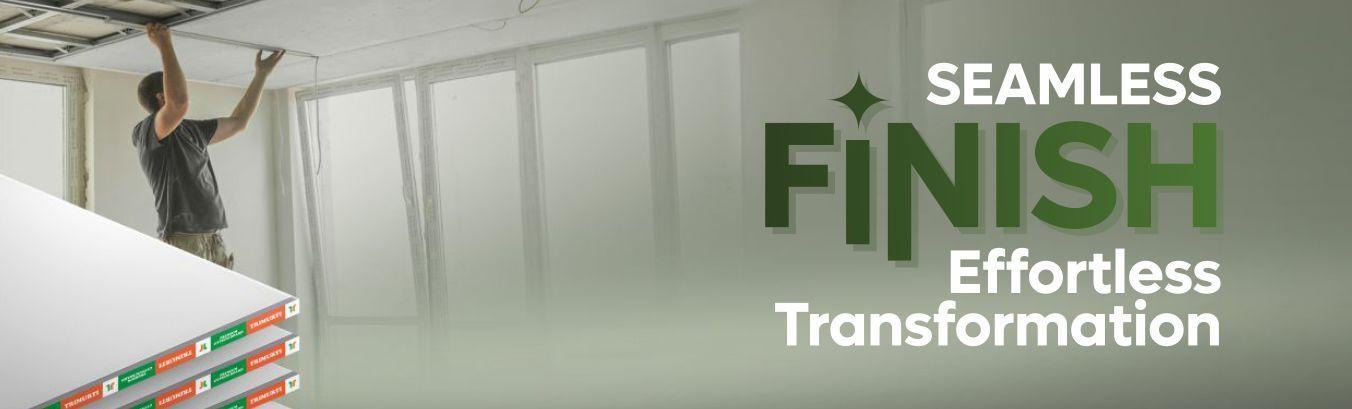
Modern interiors are designed to combine functionality with visual appeal, making ceiling selection an important part of every construction project. Choosing the best false ceiling material helps create durable, attractive, and well-structured interiors that remain reliable for years. A quality ceiling system improves room aesthetics while supporting lighting, insulation, and overall comfort.
The right ceiling material also contributes to easier maintenance and better structural performance. Whether for homes, offices, or commercial buildings, selecting suitable materials ensures that ceilings continue to perform efficiently while complementing the overall interior design.
Importance of Choosing the Right Ceiling Material
Ceiling materials influence much more than appearance. They contribute to the strength, safety, and functionality of an interior while supporting different architectural styles. A carefully selected ceiling system enhances the overall quality of a building.
The right material also improves energy efficiency by supporting insulation and creating a comfortable indoor environment. It reduces maintenance requirements and helps preserve the appearance of interior spaces over an extended period.
Factors That Influence Ceiling Performance
Several factors determine whether a ceiling system will perform efficiently over time. Understanding these aspects helps builders and homeowners make informed decisions that balance durability with visual appeal.
Moisture resistance, installation quality, structural compatibility, and maintenance requirements all contribute to ceiling performance. Selecting materials that meet these requirements ensures reliable and long-lasting interior finishes.
Essential Qualities of Modern Ceiling Materials
Modern ceiling materials are designed to deliver strength, durability, and flexibility. Understanding their key characteristics helps select solutions that meet diverse construction and interior design requirements.
Durability and Strength
Durable ceiling materials provide long-lasting support and resist everyday wear. They help prevent cracks, sagging, and surface damage while maintaining a stable structure. Strong materials also reduce future repair requirements and improve overall reliability.
Moisture Resistance
Moisture-resistant materials perform well in areas exposed to humidity. They help prevent stains, swelling, and deterioration caused by water exposure. This quality improves the lifespan of ceiling systems in kitchens, bathrooms, and similar environments.
Design Flexibility
Modern ceiling materials allow a variety of layouts, patterns, and decorative styles. Their flexibility makes it easier to create customized interiors that suit different architectural preferences. This also supports creative lighting integration.
Easy Installation
Materials that are simple to install improve construction efficiency and reduce project completion time. Proper installation also helps achieve smooth finishes with fewer alignment issues. This contributes to better long-term ceiling performance.
Low Maintenance
Ceiling materials requiring minimal maintenance help reduce repair costs over time. Routine cleaning is often enough to maintain their appearance. This makes them practical for both residential and commercial buildings.
Benefits of Modern Ceiling Systems
Modern ceiling systems provide both functional and aesthetic advantages. They improve interior comfort while supporting better space planning and efficient building performance.
Many professionals prefer false ceiling products because they combine durability with attractive finishes. These systems also make it easier to conceal wiring, ducts, and lighting installations while maintaining a clean appearance.
In addition, quality ceiling systems improve room acoustics and support better temperature regulation. Their versatility allows them to suit a wide range of residential and commercial applications.
Important Considerations Before Material Selection
Choosing ceiling materials requires careful evaluation of the building's requirements. Every project has different structural, environmental, and design needs that influence material selection.
Considering durability, maintenance, installation methods, and expected lifespan helps achieve better long-term results. Proper planning ensures the selected ceiling system performs efficiently throughout its service life.
Structural Compatibility
Ceiling materials should match the building's structural capacity. Proper compatibility improves safety and ensures stable long-term performance. It also simplifies the installation process.
Fire Safety
Fire-resistant ceiling materials provide additional protection inside buildings. They help improve occupant safety while meeting construction standards. This makes them suitable for various residential and commercial projects.
Acoustic Performance
Quality ceiling systems reduce sound transmission and improve indoor comfort. Better acoustic performance creates quieter living and working environments. This feature is especially valuable in offices and educational spaces.
Interior Appearance
The selected material should complement the overall design of the room. Matching textures and finishes creates a balanced and elegant interior. This improves the visual appeal of the entire space.
Long-Term Value
Investing in durable ceiling materials offers long-term financial benefits. Reduced maintenance and improved performance help increase the overall value of the property. Quality materials continue to deliver reliable results for many years.
Installation Practices That Improve Ceiling Durability
Proper installation is essential for achieving a durable ceiling. Correct planning and skilled workmanship improve stability, appearance, and long-term performance. Accurate measurements and careful execution help reduce future maintenance. A well-installed ceiling also provides better safety and a cleaner finish.
Strong Framework Preparation
A stable framework supports the ceiling and prevents movement over time. Proper alignment improves strength and ensures a balanced finish.
Accurate Panel Installation
Panels should be installed with proper spacing and alignment. This creates a smooth appearance and improves overall durability.
Proper Joint Finishing
Well-finished joints reduce visible gaps and improve surface quality. Proper finishing also helps prevent cracks from developing.
Utility Integration
Lighting, wiring, and ventilation should be planned before installation. This keeps the ceiling organized and simplifies future maintenance.
Final Quality Inspection
A final inspection helps identify small defects before completion. Correcting them ensures a better finish and longer service life.
Conclusion
Modern ceiling solutions enhance interior beauty while improving comfort and durability. Selecting quality materials and following proper installation practices ensure reliable long-term performance. For dependable construction solutions, Trimurti Tile Chemical complements quality finishing work.
For projects requiring reliable construction solutions, Trimurti Tile Chemical provides strong, efficient applications. Backed by a commitment to quality and innovation, Trimurti Products offers a wide range of building and interior finishing solutions trusted by homeowners, contractors, and builders. With a focus on durability and consistent performance, Trimurti Products continues to deliver materials that support stylish and long-lasting interiors.