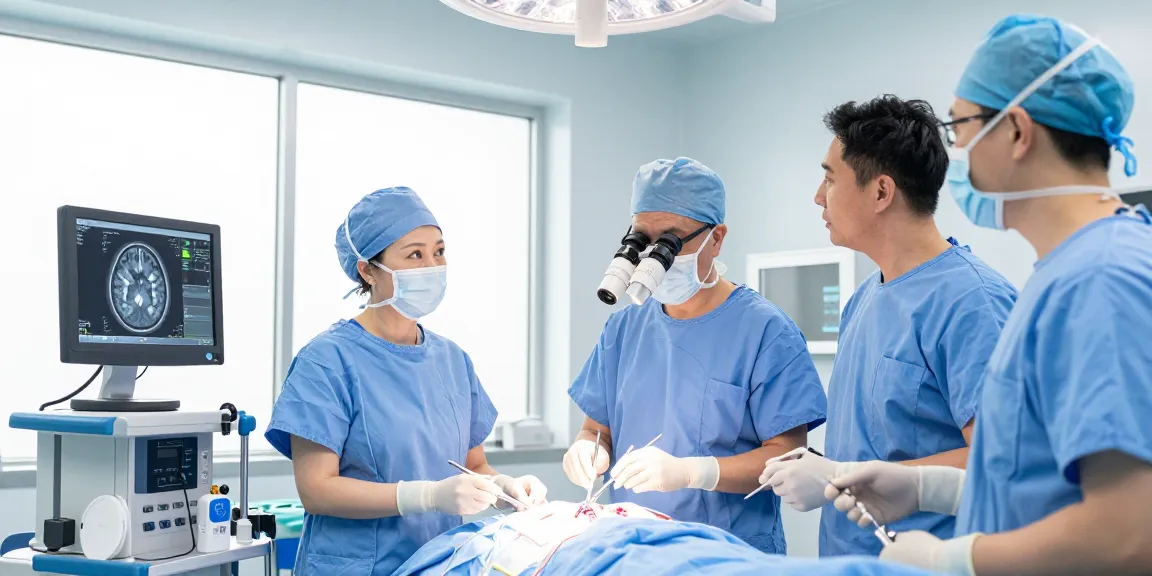
Understanding Brain Tumor Surgery
Brain tumor surgery is a pivotal intervention in the management of both benign and malignant tumors located within the brain. Given the intricate nature of brain structures, the delicate approach required for these surgeries is critical to reduce risks and ensure positive patient outcomes. The types of tumors primarily addressed include meningiomas, glial tumors, and brain metastases, each necessitating an individualized surgical plan tailored to the specific characteristics of the tumor and the patient's neurological condition. When exploring options, beyin tümörü ameliyatı provides comprehensive insights into these complex surgical procedures.
What is beyin tümörü ameliyatı?
Beyin tümörü ameliyatı, beyin içinde bulunan tümörlerin cerrahi olarak çıkarılması işlemidir. Bu cerrahiler, tümörün tipine, yerleşimine ve hastanın genel sağlık durumuna bağlı olarak değişen bir yaklaşım gerektirir. Cerrahinin temel amacı, tümörün tamamen çıkarılması ve hastanın nörolojik fonksiyonlarının korunmasıdır. Ameliyat öncesi aşamada, hastanın durumu, görüntüleme teknikleri (örneğin, MRI) ile detaylı bir şekilde değerlendirilir. Bu değerlendirme, operasyonun başarısını etkileyen en önemli faktörlerden biridir.
Types of Brain Tumors Involved in Surgery
Brain tumors can be classified into various types, but the most significant include:
- Meningiomas: Typically benign tumors arising from the meninges, they can grow slowly and often require observation before surgical intervention.
- Glial Tumors: These include lower-grade tumors (such as astrocytomas) and highly aggressive forms like Glioblastoma Multiforme (GBM), which demands urgent surgical attention.
- Brain Metastases: These are secondary tumors that spread to the brain from other body parts, commonly from lung or breast cancer.
Importance of Accurate Diagnosis
A precise diagnosis is crucial in formulating an effective treatment plan. This involves advanced imaging techniques such as MRI and CT scans, which help in determining the tumor's size, location, and relationship to surrounding brain structures. Additionally, biopsy procedures may be performed to ascertain the histological type of the tumor, guiding therapy decisions.
The Surgical Process: Step-by-Step
Pre-Surgery Preparations
Prior to surgery, several preparatory steps are taken to optimize patient outcomes. This may involve:
- Detailed imaging studies to evaluate brain anatomy and tumor characteristics.
- The administration of corticosteroids to reduce surrounding edema and minimize intracranial pressure.
- Consultations with a multidisciplinary team, including oncologists and radiologists, to select the best surgical approach.
Intraoperative Techniques and Technologies
During the surgery, modern techniques such as intraoperative imaging and neuromonitoring are employed to enhance safety and efficacy. These technologies allow the surgical team to visualize brain structures in real-time, ensuring minimal disruption to critical functions. Techniques like awake craniotomy enable surgeons to interact with patients during the procedure, confirming the function of critical areas of the brain as they remove tumor tissue.
Post-Surgical Care and Recovery
Post-operative recovery is a critical period where monitoring for complications is vital. Patients typically spend several days in the hospital for observation, with careful assessments to ensure no adverse effects arise from the surgery. Physical therapy and rehabilitation may commence early to aid recovery and improve functional outcomes.
Risks and Complications Associated with Surgery
Common Risks in Brain Surgery
As with any surgical intervention, brain tumor surgeries carry inherent risks. These can include:
- Infection and bleeding
- Neurological deficits such as weakness or speech difficulties
- Seizures
Managing Complications Effectively
Effective management plans are essential for addressing any complications that arise. This may include medications, additional surgeries, or referrals to specialized rehabilitation services based on the patient's needs.
Long-Term Outcomes
The long-term prognosis following brain tumor surgery can vary significantly based on the type of tumor, its location, and the completeness of its removal. Regular follow-up appointments and imaging studies are crucial for monitoring recovery and detecting any potential recurrences early.
Post-Operative Care: What to Expect
Monitoring Recovery Progress
Patients will undergo a series of evaluations post-surgery to monitor their recovery progress. These assessments typically include neurological examinations and imaging studies to ensure proper healing and function.
Rehabilitation and Support
Rehabilitation plays a significant role in helping patients regain lost functions and adapt to any changes resulting from the surgery. Support from occupational and physical therapists is often provided to assist with daily activities.
Key Signs for Concern After Surgery
Patients and caregivers should be vigilant for signs indicating complications, such as:
- Severe headaches or neck stiffness
- Worsening neurological symptoms
- Weeping or signs of infection at the surgical site
Innovative Treatment Options
The Role of Gamma Knife Treatment
One innovative treatment option for certain types of brain tumors is Gamma Knife surgery. This non-invasive technique uses focused radiation to target tumor cells while minimizing damage to surrounding healthy tissue. It is often used for treating meningiomas that are difficult to access surgically or for patients who are not surgical candidates.
Future Directions in Brain Tumor Surgery
The field of neurosurgery is continually evolving with advancements in technology and methodologies. Future innovations may focus on personalized treatment plans based on genetic profiling of tumors, which could optimize therapy outcomes.
Multidisciplinary Approaches to Patient Care
A collaborative approach involving neurosurgeons, oncologists, radiologists, and rehabilitation specialists can significantly enhance patient care. This multidimensional strategy ensures comprehensive treatment planning and consistent follow-up.
FAQs
What are the common symptoms indicating a need for surgery?
Symptoms often prompting surgical evaluation include persistent headaches, changes in vision, seizures, and neurological deficits. These signs warrant further investigation to determine the underlying cause.
How long does recovery from beyin tümörü ameliyatı take?
Recovery duration can vary widely depending on the individual and the complexity of the surgery. Generally, initial recovery may take a few weeks, while complete rehabilitation can extend over several months.
What are the costs associated with brain tumor surgery?
The financial implications of brain tumor surgery can vary based on the healthcare facility, the complexity of the procedure, and the patient's insurance coverage. It is advisable to discuss potential costs with healthcare providers and insurance representatives.
What lifestyle adjustments are necessary post-surgery?
Post-surgery, patients may need to adjust their activities to ensure proper recovery. For more information, beyin tümörü ameliyatı offers valuable insights. This can include modifications in physical exertion, dietary changes, and mental health support as needed.
Can brain tumor surgery completely eliminate the tumor?
While the goal of surgery is to remove as much tumor as possible, complete elimination may not always be achievable, especially in cases where tumors are located near essential brain structures. Ongoing treatment may be required to manage remaining tumor cells.