
Understanding Your Eye Care Needs
Eye care is a fundamental aspect of overall health that often goes overlooked until problems arise. With the growing prevalence of digital eye strain and age-related vision issues, understanding your unique eye care needs is crucial. At SNU Eye Clinic, we specialize in providing tailored solutions that not only address common vision problems but also enhance your quality of life. When exploring options, snuseoul provides comprehensive insights into cutting-edge treatments and personalized care strategies.
Identifying Common Eye Conditions
Understanding the various eye conditions is a crucial first step in managing your eye health. Common issues include:
- Myopia (Nearsightedness): Difficulty seeing distant objects clearly.
- Hyperopia (Farsightedness): Trouble focusing on close objects.
- Astigmatism: Blurriness caused by an irregularly shaped cornea.
- Presbyopia: Age-related difficulty in focusing on close items.
- Cataracts: Clouding of the lens, affecting vision clarity.
Recognizing these conditions early can significantly improve treatment outcomes and enhance your overall vision health.
Importance of Regular Eye Exams
Regular eye exams are vital for preventing vision problems and ensuring that any existing issues are addressed promptly. Eye care professionals can detect early signs of conditions such as glaucoma, diabetic retinopathy, and macular degeneration, which might not present symptoms until advanced stages. Consistent check-ups help in maintaining optimal eye health and adapting care strategies in alignment with your lifestyle changes and aging process.
Specific Treatments at SNU Eye Clinic
At SNU Eye Clinic, we offer a comprehensive range of treatments tailored to individual needs. Our focus extends beyond basic vision correction to include advanced procedures such as:
- Laser Vision Correction: Precise techniques to reshape the cornea for improved clarity.
- Intraocular Collamer Lens (ICL): A solution for those not suited for laser surgery, providing exceptional vision correction.
- Toric ICL: Specifically designed for astigmatism, offering optimal results tailored to your unique eye structure.
With over 50,000 successful surgeries, our commitment to excellence in eye care is reflected in our extensive expertise and advanced technology.
Choosing the Right Eye Clinic
Choosing the right eye clinic is essential for ensuring superior eye health and effective treatment plans. An informed decision involves considering several critical factors that can influence the quality of care you receive.
Key Factors to Consider When Selecting
When evaluating prospective eye clinics, consider the following:
- Experience and Specialization: Look for clinics that specialize in your specific eye condition.
- Technological Advancements: Modern equipment and techniques are essential for accurate diagnoses and effective treatments.
- Patient-Centered Care: A clinic that prioritizes patient comfort and understands individual needs can lead to a more positive experience.
Evaluating Clinic Credentials and Technology
Verify the credentials of the clinic’s staff and the technology they utilize. Accredited clinics should have board-certified ophthalmologists and state-of-the-art equipment that adheres to the latest industry standards. This not only assures patients of high-quality care but also enhances the overall treatment efficacy.
Understanding Patient Reviews and Testimonials
Researching patient reviews can provide invaluable insights into the clinic’s reputation and quality of service. Look at various platforms for balanced opinions, focusing on those that discuss the effectiveness of treatments, staff professionalism, and overall patient satisfaction. Testimonials can often indicate the level of care one can expect.
Advanced Vision Correction Options
In the realm of vision correction, advancements in technology have ushered in innovative solutions that cater to a wide range of needs. At SNU Eye Clinic, we are at the forefront of these advancements, providing exceptional options for our patients.
What is ICL and Who is it For?
The Intraocular Collamer Lens (ICL) is a revolutionary option for those who may not be ideal candidates for traditional LASIK surgery. ICL is particularly beneficial for patients with high prescriptions or thin corneas. This lens is implanted in the eye and provides high-quality vision correction while preserving the natural cornea, making it reversible and a safer option for many individuals.
Benefits of Toric ICL for Astigmatism
For those suffering from astigmatism, the Toric ICL provides an effective and precise solution. This lens corrects not only nearsightedness or farsightedness but also the irregular curvature of the cornea that characterizes astigmatism. With personalized fitting and exceptional clarity, patients often report immediate improvements in their vision and quality of life.
The Future of Vision Correction Technology
As we look toward the future of eye care, advancements in technology continue to shape the landscape of vision correction. Innovations like digital eye scans, enhanced laser techniques, and artificial intelligence in diagnostics promise even greater precision and safety. Keeping abreast of these developments ensures that patients can access the most effective solutions for their vision needs.
Common Misconceptions in Eye Care
Despite advancements in eye care, misconceptions still exist. Addressing these myths is vital for informed decision-making regarding eye health.
Myths about Eye Surgery
Many individuals harbor reservations about eye surgery, often influenced by myths. Common misconceptions include the belief that eye surgery is painful, or that it can only be performed on younger patients. In reality, modern techniques are minimally invasive, allowing for quick recovery with minimal discomfort, and age should not deter a patient from seeking treatment.
Understanding Vision Correction Limitations
It’s essential for patients to understand that not every procedure is suitable for every individual. Factors such as overall eye health, degree of vision impairment, and lifestyle preferences all play a role in determining the most appropriate treatment. A thorough consultation with an ophthalmologist can clarify what options are available and realistic for each patient.
What Patients Should Know Before Surgery
Before undergoing eye surgery, patients should be adequately informed about the procedure, recovery expectations, and post-operative care. This knowledge empowers individuals to make confident decisions and prepares them for the journey to clearer vision.
Preparing for Your Consultation
Preparing for a consultation at SNU Eye Clinic can enhance the overall experience and ensure that all necessary information is discussed. Follow these tips to make the most of your visit.
Essential Questions to Ask Your Ophthalmologist
Before your consultation, it’s beneficial to prepare a list of questions. Consider inquiring about:
- The recommended treatment options for your specific condition.
- Expected outcomes and potential risks associated with the procedure.
- Post-operative care and how to manage recovery effectively.
What to Expect During Preliminary Tests
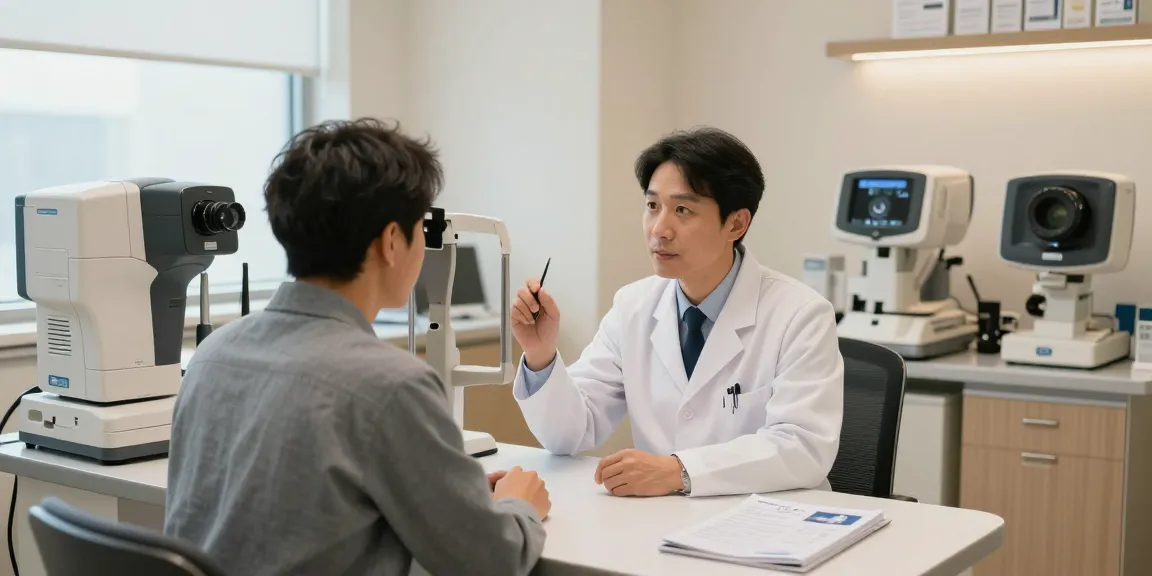
Initial tests often include comprehensive eye exams using advanced technology to assess vision and eye health. Expect to undergo a series of assessments that may include visual acuity tests, eye pressure checks, and detailed imaging. These evaluations will provide your ophthalmologist with critical information to tailor your treatment plan.
How to Prepare Mentally and Physically
Mental and physical preparation for any surgery can bolster confidence. Familiarize yourself with the procedure, visualize a successful outcome, and ensure you are in good health leading up to the surgery. Mental wellness is just as important as physical health in the recovery process.
What is ICL surgery?
ICL surgery involves the insertion of a lens in front of the eye’s natural lens, allowing for improved vision correction without altering the cornea. The procedure is quick, and most patients notice immediate improvements post-surgery.
How long does recovery take after eye surgery?
Recovery times can vary based on the individual and the type of surgery performed. Generally, many patients experience significant improvements within a few days, while complete healing may take several weeks.
Can anyone get vision correction surgery?
Not everyone is a suitable candidate for vision correction surgery. Factors like age, eye health, and existing conditions can influence eligibility. A thorough consultation will help determine candidacy.
What should I look for in eye care specialists?
Seek out specialists with credentials, experience, and a commitment to patient-centered care. Ensure they utilize the latest technologies and have a track record of successful outcomes.
How to manage post-operative care effectively?
Post-operative care is crucial for optimal recovery. Follow your ophthalmologist’s instructions regarding medication, activity restrictions, and follow-up appointments to ensure a smooth recovery process.


